


Money Tracker-Expense & Budget
4.9829.00 Reviews
App Specs
- Version
- 1.1.126
- Updated On
- License
- Free
- Downloads
- 5,000,000+
- Developer
- Horoscope365
- Categories
- Finance
- Platform
- Android, iOS
Screenshots
 Analysis by AppCompare
Ever find yourself wondering where all your cash disappeared by the end of the month? Yep, we've all been there. That's why I decided to give Money Tracker-Expense & Budget a spin. I was on the hunt for an app that could help me get a grip on my finances without making it feel like a science project.
Why the first week feels manageable
My first impression was that this is built for people who want to begin tracking without turning setup into a weekend project. The app is a finance tool from Horoscope365, and its straightforward approach suits anyone who has mainly relied on memory, bank balances, or scattered notes. I could start with the basics and make the habit feel achievable rather than demanding a perfect financial plan on day one.
That gentle start matters because a spending log only helps if I keep using it. I would begin by entering recurring income and the bills I already know are coming, then record purchases as they happen. This gives the numbers context: a grocery total means more when I can compare it with rent, utilities, and the money left for everyday choices.
Getting Started with Money Tracker
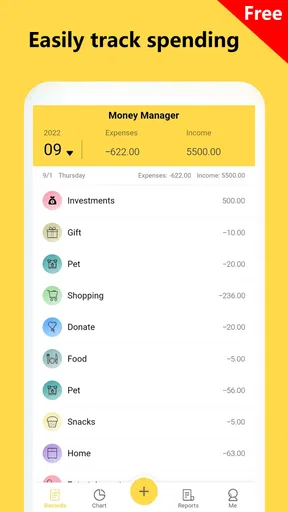
Right off the bat, I was impressed by the smooth setup process. After downloading the app, I was greeted with a friendly, intuitive interface that didn’t take a rocket scientist to navigate. Within minutes, I was up and running, ready to start logging my expenses.
The app asks for your income sources and fixed expenses first, like rent and utility bills. I appreciated this because it helps paint a clear picture of what's left for discretionary spending. Who doesn't love knowing how much is left for those "treat yourself" days?
Features That Make Life Easier
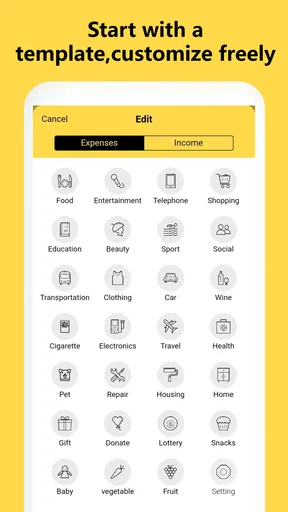
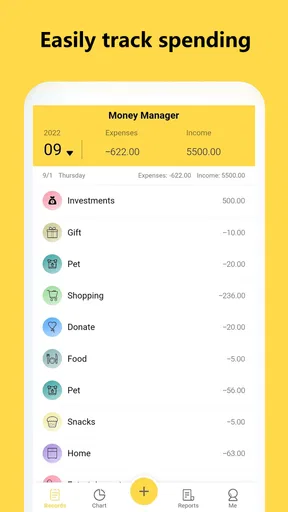
One of the coolest features I found is the automatic categorization of expenses. Every time I log a transaction, Money Tracker-Expense & Budget does the heavy lifting and sorts it into categories like groceries, dining out, and entertainment. It’s like having a personal assistant, minus the hefty paycheck.
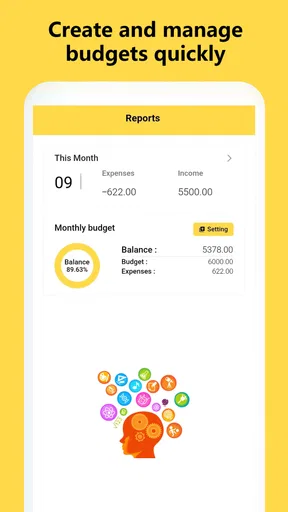
Plus, the app offers a nifty budget planner. I could set limits for each category, and the app would give me a nice nudge if I was getting close to overspending. Trust me, those nudges are lifesavers when you’re eyeing that extra coffee.
Worth Reading Before You Choose

Flipboard Shows What News Apps Must Do Beyond the Feed

Switching to Android Auto Means Rethinking Your Driving Routine

Google Calendar Makes a Crowded Week Easier to Manage

Ludo King Makes the Most of the Minutes Between Plans

Baby Panda World Brings Quick Play to Modern Phones, but Its Game Library Feels Busy

ESPN’s Live Game View Makes Following Close Games Easier
Making the numbers useful beyond a quick glance
The real payoff comes from reviewing entries regularly, not simply collecting them. I would use the category limits as early warnings rather than strict rules: if dining out starts climbing, I can decide whether to adjust plans for the rest of the month or accept that this month is unusual. That distinction keeps a budget from feeling like a scolding machine.
A practical routine is to log small purchases at the end of the day and check the totals once a week. For a shared household, an export can also make a conversation about spending more concrete, provided everyone agrees on what the categories mean. If one person labels a supermarket trip as groceries and another splits it into groceries and household supplies, comparisons become less useful; consistent habits matter as much as the charts.
Tracking Progress and Insights
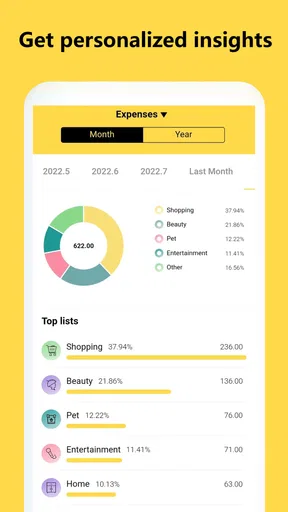
The app isn’t just about logging expenses; it’s about understanding them. The analytics section is packed with colorful charts and graphs that break down spending patterns. It was eye-opening to see where my money was actually going. Spoiler: way too much on takeout!
The app also lets you export reports, which is awesome if you want to take a closer look on your computer or share them with your partner. It felt empowering to have my financial life laid out so clearly.
How it fits into a month-to-month routine
For me, the useful question is not whether a tracker looks good on the first day, but whether it changes a decision a few weeks later. Imagine a week with a grocery run, a couple of lunches out, and an unexpected household purchase. Recording each one gives the category view a chance to show whether the pressure is coming from regular small choices or from a one-off expense. That can help me choose a realistic adjustment instead of making a vague promise to spend less.
The app’s cash-book style is also a good fit if you want a record of money moving in and out, rather than a detailed investment dashboard. A person paid on a regular schedule can enter income and recurring bills, then use category budgets to pace the flexible part. Someone with irregular earnings could instead use it to keep a running record and review quieter and busier periods, while remembering that the usefulness depends on entering transactions consistently.
Compared with a basic notes app or spreadsheet, the appeal here is having categories, budgets, and visual summaries together rather than building the structure yourself. A spreadsheet may be better for custom formulas or intricate household accounting, and a bank’s own app may be more convenient for checking account activity. But if the goal is to build a deliberate spending log and see patterns across categories, this offers a more focused place to do that work.
Security and Peace of Mind
Now, I know what you’re thinking: "What about security?" Rest easy, because the app takes privacy seriously. With password protection and data encryption, my financial info felt as secure as a vault. They also don’t collect unnecessary data, which is a big win in today’s privacy-conscious world.
The upkeep that decides whether it lasts
Manual tracking is a trade-off: it can make spending more visible, but each skipped entry creates a gap. I would not wait until the end of the month to reconstruct every coffee, fare, or quick shop from memory. A short daily check is more reliable, and a weekly review can catch miscategorized transactions before they distort the picture. This is especially useful when automatic sorting gets a merchant or purchase type wrong.
It helps to keep the system simple at first. I would avoid creating a long list of finely divided categories before knowing what I actually need to distinguish. If a category rarely guides a decision, it may be noise rather than insight. A few broad limits are easier to maintain, and the report export gives room for a closer look when a particular month calls for it.
There is also a choice to make about how much confidence to place in summaries. A chart can reveal a pattern in the transactions entered, but it cannot account for forgotten cash spending or an expense logged in the wrong place. I treat the totals as a useful mirror, not as an unquestionable financial record. That cautious approach makes the app more helpful, not less.
A Few Quirks
No app is perfect, and this one’s no exception. At times, the app can feel a bit too simple, especially for those who are more financially savvy and looking for advanced features. Also, while the automatic categorization is great, it’s not always spot-on, and I had to manually adjust some entries.
The biggest source of fatigue is the recording itself. If you dislike entering purchases or already have a reliable budgeting routine elsewhere, this may feel like one more chore rather than a useful change. It is also not the tool I would choose as my only resource for complex financial planning: the emphasis is on tracking everyday money, not on replacing specialist software or the detailed controls of a spreadsheet.
Before relying on any personal finance app, I also recommend checking its current privacy and account options directly in the app and deciding what information you are comfortable entering. The app is free to download, but it includes optional in-app purchases ranging from $2.99 to $29.00 per item. I would start with the free experience and only consider paying if I found a specific paid option genuinely useful, rather than assuming that spending money is necessary to build a basic tracking habit.
Who is likely to stick with it?
I think it makes the most sense for someone who wants a clear record of daily spending, a simple way to set category limits, and a visual check on where money goes. It can also suit couples or family members who want to discuss a report together, as long as they agree on how transactions are entered. The app is rated Teen, and its low-friction style may appeal to younger users learning to keep track of routine spending as well as adults trying to regain a sense of control.
It is a weaker match for people who want deep customization, advanced financial analysis, or a tracker that removes the need to record and review transactions. If you are already consistent with a spreadsheet and depend on its formulas, switching may add little. Likewise, anyone who finds manual logging irritating should be honest about that before building a budget around it; the best system is the one you will actually maintain.
There is a useful middle ground for someone unsure whether they will keep it: try a short, ordinary stretch of tracking rather than waiting for a dramatic financial reset. Record routine purchases, correct categories when needed, and see whether the weekly summary changes a choice. If it does, the habit is earning its place. If it only creates a backlog of entries, a simpler method may fit better.
Final Thoughts
In the end, Money Tracker-Expense & Budget is a solid choice for anyone looking to take control of their finances without the hassle. Its user-friendly interface, helpful features, and focus on privacy make it a must-try. Sure, it’s not perfect, but it’s definitely a step in the right direction for anyone who wants to stop fearing the end-of-month bank statement.
Overall, if you’re like me and want an app that feels like a helpful friend rather than a strict financial advisor, give it a go. You might just find it’s the tool you’ve been missing in your financial toolkit.
Its audience response is strong, with a 4.9 average from around 266,000 ratings and more than 5 million installs. It is free, has a Teen content rating, and was released on September 5, 2022. The current version is 1.1.126 and requires Android 6.0 or later. Those details make it accessible to many Android users, though the real test is still whether its everyday logging fits your routine.
My long-term verdict is that this app can earn a lasting place on a phone when it turns vague money worries into a small, repeatable check-in. I would use it for visibility and practical spending decisions, not as a substitute for careful financial judgment. If keeping records feels manageable and the category view helps you act, it is worth keeping; if the upkeep becomes the main event, choose a lighter approach instead.
Pros
- User-friendly interface for easy navigation.
- Comprehensive expense categorization options.
- Real-time budget tracking and alerts.
- Cloud sync for data backup and access.
- Supports multiple currencies for travelers.
Cons
- Limited features in the free version.
- Ads can be intrusive during usage.
- No option for family account sharing.
- Data export options are limited.
- Requires internet for most features.
FAQs for Money Tracker-Expense & Budget
What features does Money Tracker-Expense & Budget offer?
Money Tracker-Expense & Budget offers a variety of features to help you manage your finances efficiently. Users can track daily expenses, set budget limits, receive spending alerts, and generate detailed reports. The app also provides customizable categories and supports multiple currencies, making it versatile for both personal and business use.
Is Money Tracker-Expense & Budget safe to use?
Yes, Money Tracker-Expense & Budget prioritizes user security. The app incorporates encryption to protect your financial data and offers password protection for additional security. Additionally, it does not require sensitive information such as bank account details, ensuring your data remains private and secure.
Can I use Money Tracker-Expense & Budget offline?
Yes, Money Tracker-Expense & Budget can be used offline, allowing you to record transactions and manage your budget without an internet connection. However, certain features, like syncing data across devices, will require an internet connection to function properly once you are back online.
Does Money Tracker-Expense & Budget support multiple devices?
Yes, Money Tracker-Expense & Budget supports multiple devices. You can sync your data across different devices, ensuring you have consistent access to your financial information. This feature is particularly useful for users who switch between phones, tablets, and computers.
Are there in-app purchases or subscription fees?
Money Tracker-Expense & Budget offers a free version with basic features. However, there are in-app purchases available for users who wish to unlock premium features, such as advanced reporting and additional customization options. These purchases are typically offered as one-time payments or subscription fees, depending on the feature.


